Aaron

Aaron

Beginner GuidePowerliftingStrength TrainingFitness BasicsWorkout Plans

Powerlifting for Beginners

Powerlifting is a strength sport focused on three core movements: squat, bench press, and deadlift. For a complete beginner, stepping into a gym and starting systematic training can feel overwhelming and intimidating. This guide will help you start your powerlifting journey scientifically, safely, and effectively.

Chapter 1: Understanding Powerlifting

What is Powerlifting

Powerlifting is a training system focused on maximum strength, distinct from bodybuilding (which focuses on muscle appearance) and fitness training (which prioritizes endurance and speed). In powerlifting, our goal is to improve our neuromuscular system's ability to generate maximum force in the shortest time possible.

The Three Core Movements

The "Holy Trinity" of powerlifting consists of three compound movements:

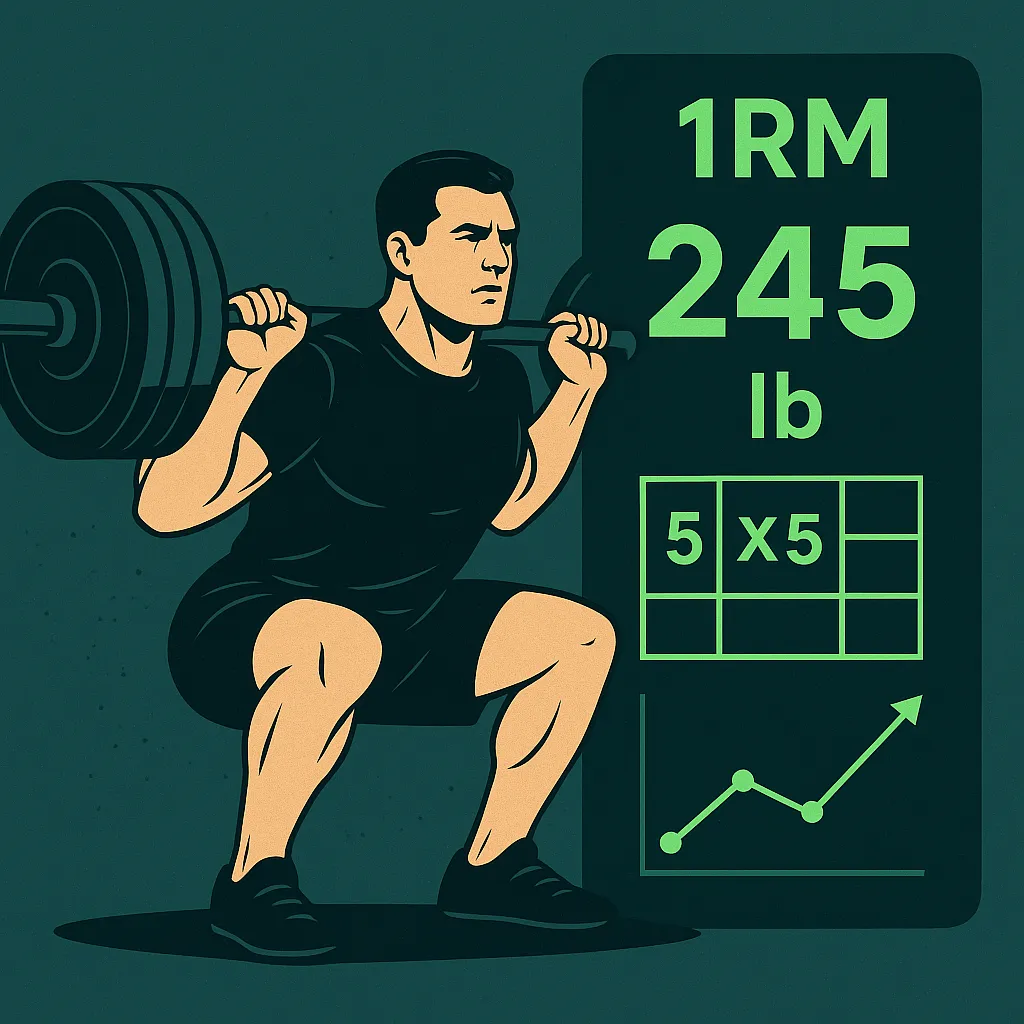
1. Squat (Back Squat)

  • Primary muscles: Quadriceps, glutes, hamstrings
  • Function: Strengthens lower body, improves overall explosive power
  • Testing: Barbell back squat to at least parallel depth

2. Bench Press

  • Primary muscles: Pectoralis major, anterior deltoids, triceps
  • Function: Evaluates upper body pressing strength
  • Testing: Standard bench press, bar touches chest, then presses up

3. Deadlift

  • Primary muscles: Back musculature, glutes, hamstrings
  • Function: Tests entire body pulling strength, reflects overall strength level
  • Testing: Pull barbell from floor to standing position

Why Powerlifting Matters

Health Benefits:

  • Increases bone density, prevents osteoporosis
  • Boosts metabolism, aids weight management
  • Enhances joint stability, reduces injury risk
  • Improves posture, alleviates sedentary body issues

Competitive Goals:

  • Participate in powerlifting meets, challenge personal limits
  • Test and record 1RM (one-rep maximum), quantify training results
  • Join community, exchange with like-minded enthusiasts

Chapter 2: Preparation Before Training

Mental Preparation

Common Beginner Misconceptions:

  • "I'm too weak to go to the gym" - Everyone starts from zero
  • "I'm afraid of getting hurt" - Scientific training is safer than no training
  • "I'm too old" - Strength training benefits all ages, even elderly

Right Mindset:

  • Set process goals (proper form, completion count), not outcome goals (weight)
  • Accept "newbie gains phase": Rapid improvement in first 3-6 months is normal
  • Record training logs - seeing progress is more important than chasing weight

Equipment and Venue Selection

Gym vs Home Training:

Type Pros Cons Best For
Commercial Gym Full equipment, good atmosphere Distance, cost, crowded during peak Most people
Home Gym Convenient, flexible High initial cost, space limits Those with budget and space
Community Center Affordable, convenient Limited equipment Beginners on budget

Essential Equipment List (Home Training):

  1. Barbell bar (Olympic standard bar, 20kg)
  2. Weight plates (5kg-20kg each, total at least 100kg)
  3. Adjustable bench press bench
  4. Lifting belt, squat belt
  5. Knee sleeves (optional), weightlifting shoes (optional)

Medical Consultation

Consult a doctor before starting, especially if you have:

  • Cardiovascular disease history
  • Uncontrolled high blood pressure
  • Joint injury or chronic pain
  • Long-term inactivity (>6 months)
  • Age >50

Chapter 3: Beginner Training Plan

First 4 Weeks: Adaptation Phase

Training Frequency: 3 times per week

Day A (Monday):

  • Bodyweight squats: 3×10
  • Push-ups: 3×max
  • Dumbbell rows: 3×12
  • Planks: 3×30 seconds

Day B (Wednesday):

  • Empty bar squats: 3×8
  • Empty bar bench: 3×8
  • Band deadlifts: 3×10
  • Tricep pushdowns: 3×12

Day C (Friday):

  • Goblet squats: 3×10
  • Dumbbell bench: 3×10
  • Deadlift technique practice: 3×5 (light weight)

Weeks 5-12: Base Strength Phase

Beginner Workout Plan

Training Frequency: 4 times per week (Upper/Lower split)

Upper Body A Day (Monday):

  • Barbell bench: 4×6, start 40% bodyweight
  • Incline dumbbell bench: 3×8
  • Rowing movements: 3×10
  • Overhead press: 3×8

Lower Body A Day (Tuesday):

  • Barbell squat: 4×6, start 40% bodyweight
  • Leg press: 3×10
  • Leg curls: 3×12
  • Calves: 3×15

Upper Body B Day (Thursday):

  • Bench press variation: 4×8
  • Assisted pull-ups: 3×max
  • Tricep extensions: 3×10
  • Bicep curls: 3×12

Lower Body B Day (Friday):

  • Deadlift: 4×5, start 40% bodyweight
  • Romanian deadlift: 3×8
  • Leg press: 3×10
  • Abs: 3×15

Progressive Overload Principles

Beginner Weight Increase Rules:

  • Attempt to increase 2.5-5kg each workout
  • If you can't complete target reps, maintain weight, try again next week
  • After 3 consecutive successful sessions, increase weight

Use to 1RM Calculator to track your strength progress.

Chapter 4: Technique Breakdown

Technique Breakdown

Squat Technique Breakdown

Setup Position:

  1. Bar on upper trapezius (high bar) or rear deltoid (low bar)
  2. Hands shoulder-width or slightly wider, thumb wraps around bar
  3. Chest up, shoulder blades retracted
  4. Feet shoulder-width, toes turned out 15-30 degrees

Movement Execution:

  1. Initiate with hips, sit back not squat down
  2. Knees track in direction of toes
  3. Squat until thighs parallel to floor
  4. Drive through heels, stand to starting position

Common Mistakes Corrections:

  • Knees caving in: Strengthen glute medius, reduce weight
  • Hips shooting up first: Strengthen hamstrings, reduce weight
  • Heels lifting: Wear weightlifting shoes or elevate heels

Bench Press Technique Breakdown

Setup Position:

  1. Lie on bench, glutes, shoulder blades, head contact bench
  2. Retract shoulder blades, chest up
  3. Feet planted on floor, drive leg power
  4. Hands shoulder-width or slightly wider, wrists neutral

Movement Execution:

  1. Lower bar slowly, touch chest then immediately press up
  2. Press up with slight elbow tuck, not flare
  3. Lock arms while maintaining slight bend, protect joints

Common Mistakes Corrections:

  • Bouncing off chest: Slow down, pause on chest
  • Elbows flared 90 degrees: Tuck to 45-60 degrees
  • Hips lifting off bench: Reduce weight, strengthen core

Deadlift Technique Breakdown

Setup Position:

  1. Feet hip-width, bar touching shins
  2. Bend down, hands shoulder-width or slightly wider (double overhand or mixed grip)
  3. Back flat, hips lowered
  4. Take deep breath, brace entire body

Movement Execution:

  1. Stand up using leg power, bar travels up shins
  2. Hips push forward, chest up
  3. Extend hips to full standing
  4. Control bar down slowly

Common Mistakes Corrections:

  • Rounding back: Reduce weight, strengthen lats
  • Knees extending too early: Learn hip hinge movement
  • Slamming bar down: Control descent speed

Chapter 5: Nutrition and Recovery

Nutrition and Recovery

Basic Nutrition Principles

Protein Requirements:

  • Beginner phase: 1.6-2.0g/kg bodyweight/day
  • Post-workout: 30-40g quality protein within 2 hours
  • Sources: Chicken breast, fish, eggs, dairy products, legumes

Carbohydrate Strategy:

  • Pre-workout 1-2 hours: 50-75g complex carbs
  • Post-workout 30 minutes: 100g fast carbs + 30g protein
  • Non-workout days: Moderate intake, maintain metabolic flexibility

Fat Intake:

  • 20-35% of total calories from fat
  • Prefer unsaturated fats (fish, nuts, olive oil)

Supplement Suggestions

Beginner Essentials (Optional):

  • Whey protein powder: Quick post-workout replenishment
  • Creatine: Improve strength and muscle endurance (3-5g daily)
  • Multivitamins: Compensate for dietary deficiencies

Advanced Supplements (Not Necessary):

  • Glutamine: Recovery phase use
  • Beta-alanine: Improve high-intensity performance

Sleep and Rest

Sleep Requirements:

  • 7-9 hours quality sleep/night
  • More sleep on training days
  • Deep sleep crucial for nervous system adaptation

Rest Days:

  • At least 1-2 complete rest days per week
  • Light activity (walking, stretching) better than complete inactivity
  • Listen to body signals, overtraining worse than undertraining

Chapter 6: Common Questions and Myths

Beginner Common Questions

Q1: How long to see results?

A: In newbie gains phase, first 3 months often show significant progress. Strength gains may be faster (5-10% monthly), visible changes take longer (2-3 months).

Q2: Will women get bulky from strength training?

A: No. Women have much lower testosterone levels than men, making it difficult to gain excessive muscle mass. Strength training will give women toned, athletic physiques.

Q3: Do I need a personal trainer?

A: If budget allows, 10-20 sessions learning proper technique in the beginning is worth of investment. This is enough to master basic technique, then can train independently.

Q4: Will strength training affect height?

A: No. Strength training won't affect adult height. For adolescents (<18), use lighter weights, focus on technique not weight.

Common Training Myths

Myth 1: Heavier is always better

  • Reality: Technique first, weight second. Poor technique not only ineffective but dangerous

Myth 2: Training every day yields better results

  • Reality: Muscles grow during rest, not training. Overtraining leads to insufficient recovery, hinders progress

Myth 3: Only train muscles you like

  • Reality: Unbalanced training leads to muscle imbalances and posture issues

Myth 4: Cardio makes you lose muscle

  • Reality: Moderate cardio (2-3 times/week, 20-30 minutes each) aids recovery and cardiovascular health

Myth 5: Don't eat if not hungry

  • Reality: Post-workout, replenish even if not hungry - missed recovery window

Chapter 7: Advancement and Development

After 3-6 Months

Re-evaluate Goals:

  • If you've mastered basic techniques, start periodized training
  • Test 1RM of big three, use Squat, Bench Press, Deadlift 1RM calculator
  • Consider local powerlifting meets (amateur divisions)

Training Plan Upgrade:

  • Adopt more complex periodization models (linear, wave)
  • Introduce accessory exercise specialization (targeting weak links)
  • Try training tracking software or apps

After 6-12 Months

Specialized Training:

  • Identify your strengths and weaknesses, target weak points specifically
  • Consider equipped training (lifting belts, knee sleeves, wrist wraps)
  • Join powerlifting community, exchange with more experienced lifters

Competing in Meets:

  • Start with amateur or novice divisions
  • Learn meet rules and judging standards
  • Gain meet experience regardless of results

Chapter 8: Safety and Injury Prevention

Training Safety

Common Injuries and Prevention

Shoulder Injuries:

  • Causes: Bench press with excessive elbow flare, poor shoulder mobility
  • Prevention: Adjust grip width, strengthen rotator cuff, sufficient warm-up

Lower Back Injuries:

  • Causes: Rounding back during deadlift, excessive squat weight
  • Prevention: Learn proper technique, strengthen core, progressive overload

Knee Issues:

  • Causes: Knees caving during squat, excessive weight
  • Prevention: Strengthen glute medius, control knee direction, progressive overload

Training Safety Rules

  1. Sufficient warm-up: 10-15 minutes dynamic warm-up before each workout
  2. Use spotters: When approaching limit weight, have spotter ready
  3. Check equipment: Before use, check bar, collars, bench
  4. Listen to body: Stop immediately for joint pain, continue training for muscle soreness
  5. Progressive overload: Don't increase weekly weight by more than 5-10%

Emergency Management

Acute Injury (on-site):

  • Stop training immediately, use R.I.C.E principle (Rest, Ice, Compression, Elevation)
  • Avoid heat for first 48 hours
  • If pain persists >3 days, seek medical attention

Chronic Pain:

  • Reduce training weight, improve technique
  • Strengthen relevant muscle groups
  • If pain persists >2 weeks, seek medical attention

Conclusion: Master Your Bench Press

Powerlifting is a lifetime investment with lasting benefits. Whether your goal is competing, building muscle, or simply improving health, the basics covered in this guide will help you start scientifically and safely.

Immediate Action Checklist:

  1. Check health status, consult doctor if necessary
  2. Choose training venue (gym or home)
  3. Purchase basic equipment or gym membership
  4. Design first 4-week training plan
  5. Prepare training notebook or app
  6. Set specific first-week goals (not weight, but completing training)

Remember, patience and consistency are your biggest allies. Perfect practice makes perfect, not just practice. Take your time, focus on technique, and strength will follow. Start your powerlifting journey today with MaxRep 1RM Calculator and train scientifically, safely, and effectively!