Deadlift Max Calculator: Estimate 1RM and Read the Result Correctly
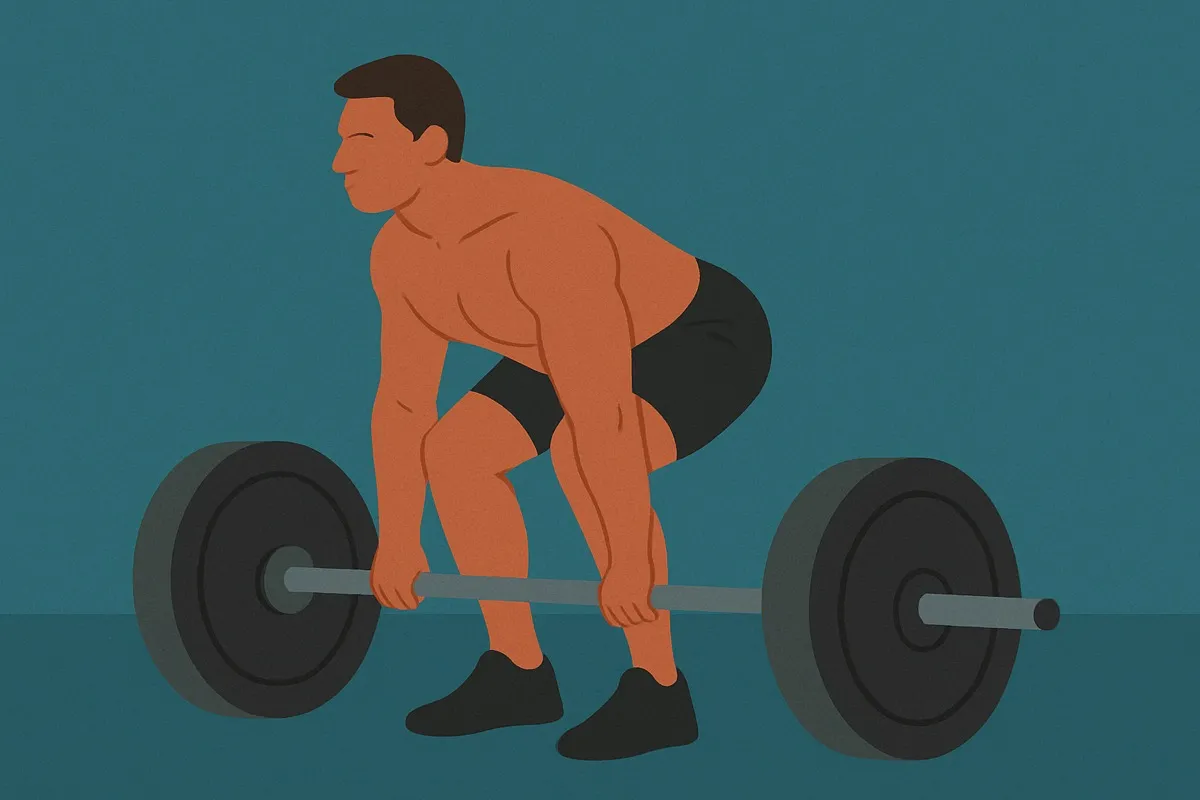
A deadlift max calculator converts a recent load and rep count into an estimated one-rep maximum. It is useful for programming when a true max attempt would add fatigue or does not fit the current training block.
Calculate from a comparable deadlift set
Use the MaxRep deadlift 1RM calculator with a set performed from the floor under your normal standard. Record whether the lift was conventional or sumo, touch-and-go or reset, strapped or unstrapped, and how close the set was to failure.
For 160 kg × 5, Epley estimates 186.6 kg while Brzycki estimates about 180.2 kg. The difference is expected. Equations model average rep relationships and cannot see your grip, fatigue, leverages, or technique.
What makes the estimate drift
A touch-and-go set may not match a dead-stop set. Straps can remove a grip limit. High-rep deadlifts add breathing and local endurance demands. A set stopped at RPE 8 is not a true 5RM. These details often matter more than choosing one formula over another.
Use a set of roughly 3 to 8 clean reps when possible. If you know the RPE, the RPE 1RM calculator can account for estimated reps in reserve.
Turn one estimate into a useful record
Keep one deadlift variation as the reference lift for a training block. Compare estimates from similar sets and use the RM calculator to convert the baseline into working weights. A new estimate deserves attention when several comparable sessions point in the same direction.
Direct 1RM testing can be reliable when it is standardized, but it is still demanding. Use suitable flooring, collars, loading, and experience. Stop the attempt if the agreed movement standard cannot be maintained.
Add bar speed and path
Deadlift reps often slow at different parts of the pull. A formula only sees completed reps. Power VBT measures mean concentric velocity and bar path from video, helping you compare reps and build a load-velocity profile from several weights. Load-velocity 1RM remains an estimate, and current reviews recommend interpreting it cautiously rather than presenting it as exact. See the review of load-velocity methods.
Download Power VBT for iPhone or Android to keep the video, velocity, and training record together.